
Cascais is considered a pioneer in smart cities. How is the topic anchored in the organization?
We started on the path to becoming a smart city around 15 years ago and created the necessary structures early on. It began with the founding of Cascais Ambiente, a municipal company that drives innovation in the areas of energy, water and resource management. In a way, it is a kind of laboratory that implements sustainable urban development in concrete terms. In addition, there is Cascais Próxima, which deals with mobility issues. Both organizations are closely integrated into the city administration.
What are Cascais Ambiente’s main tasks?
Our work includes climate protection activities, innovations in resource management, and projects for adapting to climate change. We deal with energy efficiency, water conservation, sustainable irrigation in parks, but also with improving air quality and the urban microclimate. One example: in new green spaces, we specifically plant trees that provide shade, store water, and have a cooling effect. At the same time, we invest in smart metering systems to minimize water loss.
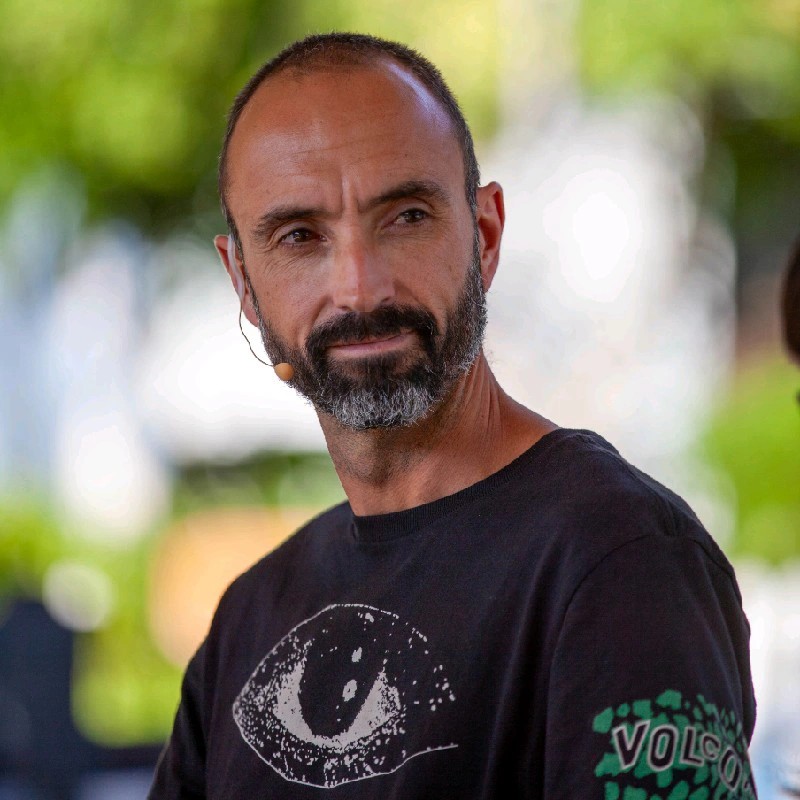
© Cascais Council
So you don’t just draw up plans, you also implement them yourself?
Exactly. I do the strategic planning, but I also take care of implementation together with colleagues from other departments. This ensures close integration between theory and practice.
Is there a long-term roadmap for Cascais?
Yes, we have a climate plan up to 2030. It defines concrete measures to reduce emissions and increase the city’s resilience.
Who are you working with to advance the smart city agenda?
We involve research institutes and external partners, but the city itself is at the center. Ultimately, we function like an engine: every component – whether large or small – is important. Without interaction, it doesn’t work.
What are the biggest challenges when it comes to smart cities?
Clearly, a lack of funding. We finance a lot from our own resources, but we also benefit from national and EU funding programs. The problem is that long-term plans often clash with short-term financing cycles. That requires a lot of flexibility.
Are there any other obstacles?
I have also experienced the cooperation with politicians as challenging. Politicians inevitably think in terms of election periods. This is not necessarily a problem, but it requires continuous dialogue. We are in constant exchange with the administration, coordinate budgets, and set priorities.
What about citizen participation?
We are very good at reaching young people and children. It is much more difficult to reach older people. We work closely with schools to introduce the next generation to the topic of smart cities at an early age.
Short election periods on the one hand, long-term infrastructure plans on the other. How do you deal with such political uncertainties?
It’s a constant balancing act. You have to stay in ongoing dialogue with each other, work transparently, and, above all, be able to show verifiable results. Only when it is clear that projects have concrete benefits, for example by helping to reduce costs or improve quality of life, can they convince politicians in the long term.
Which projects were the most difficult for you personally?
The most challenging was setting up a “living lab,” i.e., a test field for smart city innovations in an existing residential area. We had to bring a wide variety of partners on board: water suppliers, energy companies, waste management companies, communications providers. Each of these companies had its own culture, interests, schedules and resources. It was like a giant puzzle where every piece had to fit.
How did you master this complexity?
With patience, respect, and a clear structure. We tried to find compromises, things and approaches that everyone could accept. And we allowed differences. Innovation arises through diversity.
Were there any other lessons learned from working with private companies?
In our experience, many private partners have limited appetite for innovation. They have their established products in mind and are reluctant to leave their comfort zone. You have to realize from the outset that there will be friction in such a work process. If everyone involved accepts that, you will find a common path.
What exactly do you mean by a Smart City?
For me, a smart city is a policy that uses data and a wide variety of technologies to improve the quality of life in a city. And not just for the administration, but above all for the citizens. For me, smart means affordable and accessible to everyone.
Where do you see Cascais in the next few years?
We will continue to advance the topic of Smart City and want to become even more innovative. Of course, nobody can say today which technologies will ultimately prevail or which priorities politics will set in the future. That is also why we are addressing all relevant topics – water supply, forest management, biodiversity, disaster protection. Climate protection is important in all its facets.
If you had to sum it up, what are the most important success factors when it comes to smart cities?
Mutual respect, good cooperation with partners inside and outside the administration, and affordability. Smart cities are not an end in themselves. Individual projects must be affordable, citizen-oriented and flexible – otherwise, they lose their significance.